|
May 16, 2026 Retiring Sacramento Chief Kathy Lester discusses her career PERF members, Yesterday Chief Kathy Lester, who serves as PERF’s Vice President, retired from the Sacramento Police Department. Chief Lester grew up in the Sacramento area and enlisted in the U.S. Army when she was only 17. After leaving the military, she joined the Sacramento Police Department as a dispatcher in 1994, shifted to a role as a community service officer in 1995, and became a police officer in 1996. She rose through the ranks and was sworn in as police chief at the end of 2021. Earlier this week I spoke with Chief Lester about her career path and the many lessons she’s learned along the way.
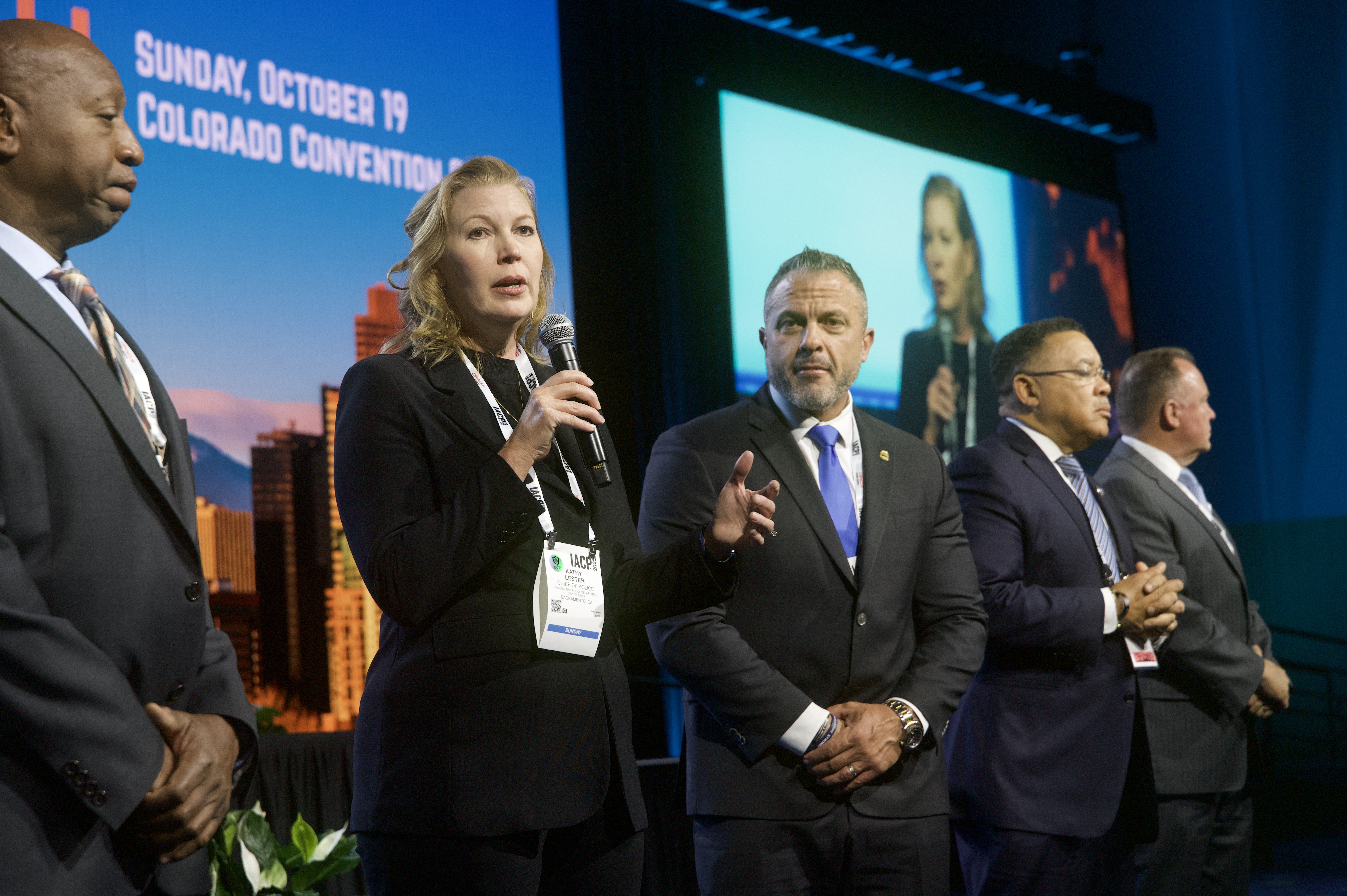
Chief Lester speaks alongside fellow PERF Board members at PERF’s Town Hall in Denver. Chuck Wexler: Why did you enlist in the Army at age 17? Chief Kathy Lester: I was young. I was raised in the Sacramento area, and I was a pretty good student, but I think I got a little bit bored with school. I started blowing off high school and ended up dropping out, if you can believe it, in the middle of my senior year. So I did not have a lot of opportunities. I did not know, at that point in my life, what direction I was headed in or what I needed. But joining the Army gave me structure, discipline, and—I think most importantly—purpose. I found something there that I didn’t expect. It was about service and teamwork. I learned very quickly that you have to rely on the people around you, and they rely on you. And that idea always stayed with me through every phase of my career. Wexler: While in the Army, you did some interesting things, such as learning Russian and becoming a combat medic and range master. Why did you learn Russian? Chief Lester: In the military, they test you to see which jobs you’re eligible for and which jobs you’d be good at. I qualified to be a linguist. I qualified for Chinese and Russian, and I just picked one. When I left the Sacramento area to go into the military, there were very few Russian- and Ukrainian-speaking people, but when I came back, there had been a migration of Russian and Ukrainian immigrants through our community churches because people were experiencing religious persecution in the former Soviet Union. So it ended up being the perfect language to come back with. But that was just by chance. Wexler: Then you became a dispatcher and a community service officer, which are experiences that very few police chiefs have had. How did those roles shape your thinking as you moved up in the department? Chief Lester: I think those experiences probably shaped me more early in my career. Dispatch taught me that you are the first voice that people hear, and that matters. It taught me that behind every call we go to and every report, there’s a human being having a very real experience. It also gave me an enormous amount of respect for the many people in our profession who work behind the scenes and really hold public safety together.
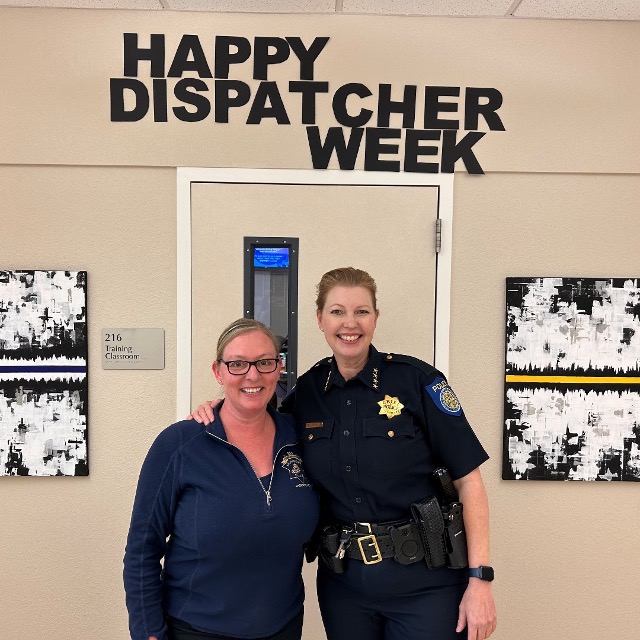
Chief Lester recognizes Dispatcher Kristy Dorton during the 2024 National Public Safety Telecommunicators Week. Source: Sacramento Police Department/Facebook I think for anyone—a chief, a CEO—if you can start out on the ground floor, in the mail room or these entry-level positions, and work up, it gives you a tremendous amount of empathy, respect, and understanding of how important those jobs are. And it gives you a very good understanding of your organization and how it works. We all know it’s important, but having done these jobs and come into the organization that way definitely shaped my future here. Wexler: A few months after you were sworn in as chief, you oversaw the response to a mass shooting in which six people died and 12 others were injured. What did you take away from that tragedy? Chief Lester: We were coming out of the pandemic at that time and, like most large, urban police departments in the United States, we had seen huge spikes in violent crime, particularly gun violence. Anytime you have that level of violence in the heart of your city, you see how it impacts everyone—the victims, their families, your officers, and your community. It’s a defining moment where your training and relationships matter. The response involved some extraordinary coordination between our team, our city, and our city leaders. It became an opportunity for us to speak out about gun violence. Because what stays with you is the human sight of it—meeting families, seeing the impact on everyone, and realizing how quickly violence can change lives. So we took it as an opportunity to look at the data on gun violence and try to address it in a unique and different way, because we knew we had to stop the bleeding in our streets. Over the last four years, we’ve done a lot with our intelligence-driven efforts and been involved in the [Bureau of Justice Assistance’s National] Public Safety Partnership to build relationships at the national level. Through a number of techniques, we’ve really driven down shootings in our city. In 2021, we had 256 people shot in our city. Last year we had about 130. That’s a significant decrease, though it’s still far too many people. Wexler: What were your priorities when you first became the chief? Have those priorities changed over your tenure? Chief Lester: They have changed a bit, because we’ve had some improvements in some areas. I think you always need a roadmap when you’re leading an organization. Your people have to understand where you’re going. I’d say one of the challenges we have in law enforcement—and probably in a lot of organizations—is that there are a lot of things you could make a priority. And if everything is a priority, nothing is. So when I took the job, I knew that we had to start focusing on violent crime. We focused on reducing gun violence and, associated with that, domestic violence. Because there’s a very obvious connection between violence in the home and urban violence. Urban violence is very well studied, and there’s a lot of information about it, so that was an area where we knew we could make an impact. I also committed to being very transparent and sharing data. I learned from many chiefs who have come before me that you have to build credibility as a leader in your community. And the only way you can build credibility and trust is by being open and honest, and sharing the good and the bad. And service is a huge piece of what we do. Very few agencies, though you’re seeing more of them, make customer service a priority. As a leader, I can have a million programs and do things for the community. But if the officer who shows up on your call doesn’t leave you feeling like they cared and that they were there to help you and make a difference, you’re not going to make meaningful gains in trust in your community. I think having jobs outside law enforcement that were very service-focused helped me drive that. Taking on that initiative, you get the raised eyebrows, like “Why are we talking about customer service?” But talking about how we treat people and interact with people and making very small adjustments within your organization can have huge impacts. We’ve worked hard to measure and recognize that and show how important that is in our organization. Now, four and a half years later, our priorities have changed a little bit because we’ve seen such meaningful reductions in gun violence. It’s still a focus area, but we’ve expanded it. Like many cities, we are really changed by the unhoused and how we serve the unhoused. That group is involved in a fairly significant portion of crime, whether they’re victims or perpetrators of crime. I think addressing mental illness and coexisting drug addiction is a real challenge for us. Officer wellness and resiliency has always been a focus, but we’ve made that a huge priority. It’s more than just a recruiting and retention issue; it really is a matter of public safety. I think you have to be very careful as a leader not to change the direction of the ship too often or too much, because you have to bring, for me, 1,000 people along with you. You have to be very clear in your messaging and what you’re trying to do and focus your resources accordingly. Wexler: How have you addressed recruiting and hiring challenges? Chief Lester: In California, we’re traditionally very well paid. The cost of living is also higher than other areas. Like other agencies, we have struggled to recruit people into the profession. After 2020 and 2021, a lot of people left, from line-level officers all the way through the rank of police chief. In many cases, people left before they would see a normal service retirement. We’ve been challenged since then. We’ve done everything, followed along with the best practices, and talked to, I feel like, every agency in the country to see what we could do better. We’ve had some very innovative programs and put a lot of resources into recruitment and retention. Even with that, it’s been a challenge. I think it’s more than a compensation issue. We have great people coming into public service, which makes me very optimistic for our future. People really want a sense of purpose, and they want to have value in what they do. Talking about what people can achieve with policing and how they can find their purpose and their “why” has been very beneficial for getting the right people in the door. We were a little unique in that we still required 60 college credits. We recognized that we were losing otherwise qualified candidates to agencies around us just because they didn’t meet our minimum requirements. And we realized we were one of the last agencies with this education requirement. To me, education is very, very important. I started as a dispatcher going to community college. Then I became a community service officer. The job gave me enough salary and benefits that I could pay to go to college and finish my degree. What we’ve done a little bit differently is tried to build out a hiring pipeline program of student trainees to community service officers to [police] officers. And we use technology to put people who are interested in the position right into our queue, where they get immediate feedback and immediate answers. Because it can’t be like when we were hired 30 years ago, when we had 3,000 people applying for 50 jobs. Those days are gone. You have to proactively seek your talent and seek the type of officer you’re looking for. I’m happy to say that we are going to run nearly a full academy for the first time in years this July. And then in January, I think we will very likely have a full academy. And we’ll continue programs like the pre-academy preparation course and the female fitness challenge. Even with budget cuts, we have vacancies and can continue to hire at this rate for several years to bring some really great people into our profession. Wexler: Are there differences between policing on the West Coast and the East Coast? Chief Lester: There are certainly differences in culture and governance models between different regions. In California, policing operates in an environment with very high public visibility. We have some significant legislative oversight, and we have very rapidly evolving policy and legal expectations. So agencies tend to spend a great deal of time and resources navigating things like transparency requirements, reform legislation, and community engagement expectations. I’ve noticed many East Coast agencies have very strong traditions tied to legacy institutional structure. But I would say the similarities really outweigh the differences. Whether you’re in Sacramento, Boston, Chicago, or Miami, officers are still responding to trauma, violence, addiction, mental illness, and other community needs. And the fundamentals of leadership, legitimacy, and professionalism remain universal. And staffing on the West Coast is very different from the East Coast. When people go east to west or west to east, they’re always amazed at the staffing differences. Wexler: Do you have to police in a different way because you have fewer police per capita than the East Coast? Chief Lester: I know our deployment models are a little bit different. Sacramento is a mid-sized city and our density, especially our vertical density, does not compare to Chicago or New York. We have some urban areas, and we have some rural areas within the city. But I look at the needs of the community and the services you’re trying to provide as more important than a simple ratio. It’s easy to measure the number of officers per 1,000 population, and we certainly do that to compare ourselves. But every agency is unique and different, and there are different community expectations. There are many calls I would love to be able to send officers to, but our staffing doesn’t allow us to do that when we need to get to the higher priority calls.
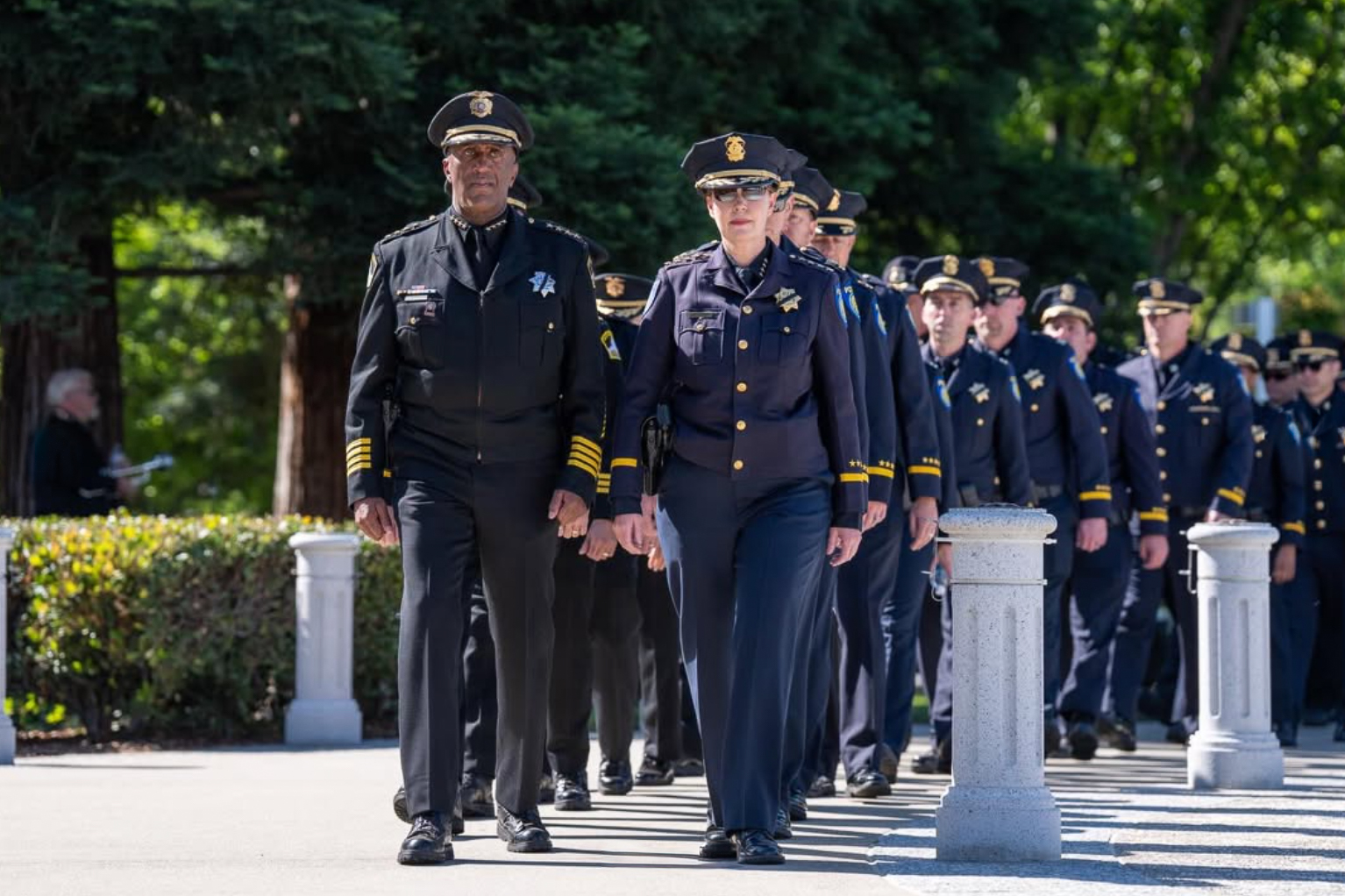
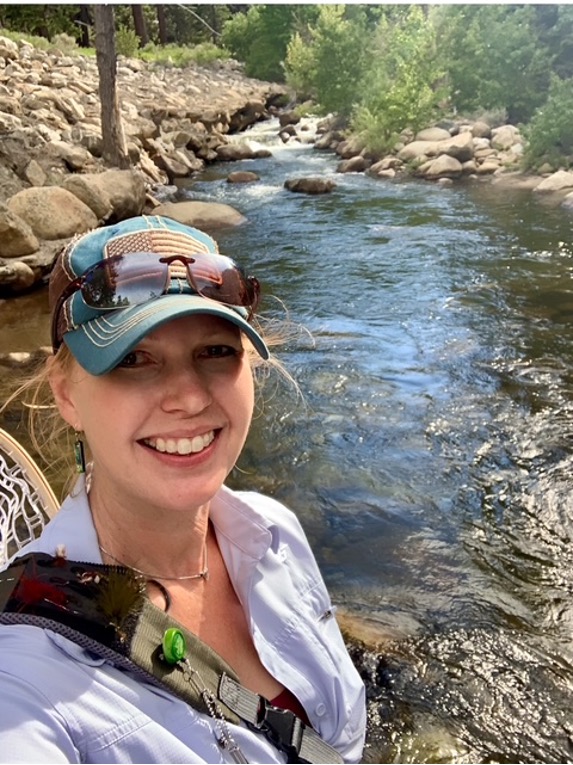
Chief Lester leads officers during the 2026 Police and Sheriff’s Memorial Ceremony. Source: Instagram Wexler: Is there anything else you’d like to add? Chief Lester: I love where we are in policing. It’s been an amazing honor for me to see where we were when I started back in the ‘90s to how far we’ve come with technology, how we take care of our officers, and how we deal with crime. Every single day I have the opportunity to see amazing police work. So I have a tremendous amount of hope because, despite all the scrutiny, challenges, and complexity, I continue to see extraordinary people choosing the profession for the right reasons. The profession is certainly evolving, and it should evolve. But that core mission of service still matters deeply to me. I’ve learned that relationships matter more than titles. Our profession moves very fast, but we build trust and credibility over many years. I remain very optimistic and positive about our profession, because I continue to see extraordinary people dedicate their lives to serving others. My whole career has really been about those people—the teams I’ve worked alongside and the community I’ve been able to serve and that shared responsibility. I’m just incredibly grateful. I hope we continue to promote the positive side of police work, because there are so many positive things you can do. If you truly want to help others and make a difference, I can think of no better profession. I felt that way 32 years ago, and I still feel that way. For me, that’s a great way to end a great career. Congratulations to Chief Lester on a well-deserved retirement, and I hope she takes an occasional break from fly fishing to stay involved in policing!
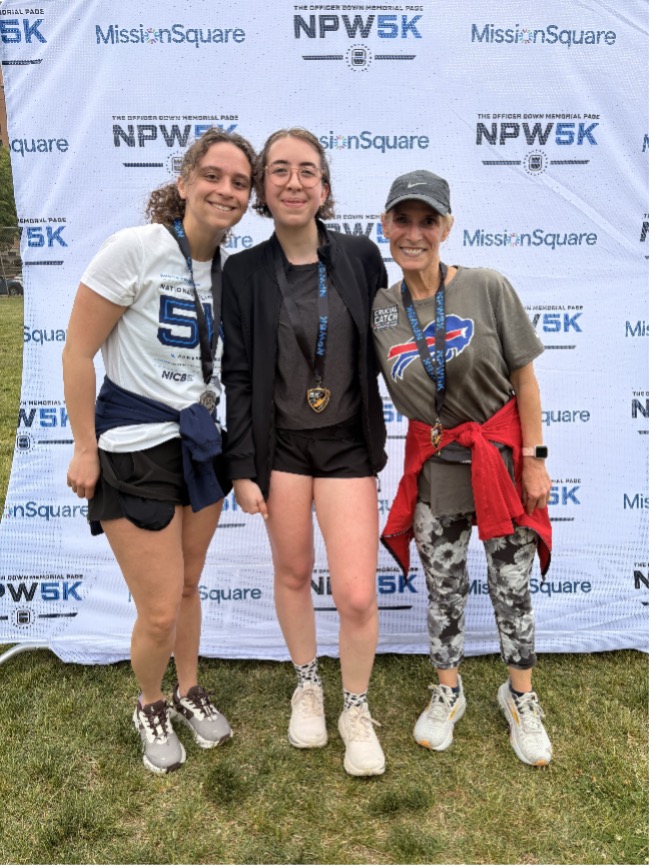
Best, Chuck p.s. Congratulations to the three PERF staff members—Sydney Eischens, Zoe Mack, and Jen Sommers—who ran in the National Police Week 5K last weekend!
|